Trump Reshuffles Canadian Tariffs Weeks Before Midterms, and the Math Doesn't Quite Add Up
The Trump administration pulled a tariff switcheroo on Friday, October 23, lifting 50% duties from a batch of Canadian goods while slapping the same rate on a fresh list of products. The changes take effect October 30, four days before voters head to the polls.

The Trump administration pulled a tariff switcheroo on Friday, October 23, lifting 50% duties from a batch of Canadian goods while slapping the same rate on a fresh list of products. The changes take effect October 30 — four days before voters head to the polls.
The White House says it's just routine trade policy, a refinement of tariffs imposed under Section 338 of the Tariff Act of 1930. But the timing and the details tell a more complicated story.
What Actually Changed
Gone are the 50% tariffs on plywood sheets, certain agricultural machinery, refrigeration equipment, and packaging crates and boxes. In their place: new 50% duties on Canadian carpets, certain valves, and waste products. Simple enough on paper. But how big is this shuffle, really? That depends on who you ask.
The Wall Street Journal reports the administration is balancing each exemption with new tariffs, leaving roughly $20 billion of Canadian exports covered by 50% duties.
Crunching 2025 U.S. trade figures, says the exempted goods are worth $5.1 billion while the newly tariffed goods total $2.6 billion.
Those figures describe different things — and no one has reconciled them. It's the kind of gap that makes you wonder what the actual net effect is. Is this a meaningful shift in trade policy or a carefully staged bit of political theater? The honest answer is: we don't know yet.
Collins Gets Her Wish
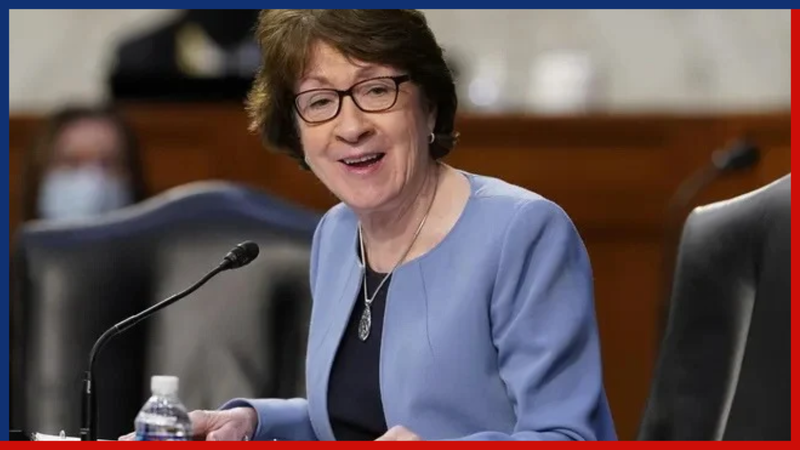
Sen. Susan Collins, the Maine Republican locked in a tight reelection fight against Democrat Troy Jackson, didn't hide her involvement. She said she asked for relief for products important to Maine businesses and praised the administration's move.
Collins cited blueberry, potato, apple and seaweed producers, and said she spoke directly with Trade Representative Jamieson Greer and Commerce Secretary Howard Lutnick.
Collins has broken with Trump on tariffs before, and Maine's economy leans heavily on trade with its northern neighbor. A poll from Beacon Research and Shaw & Company Research, reported by Global News, has Collins and Jackson tied at 49% each. The midterms are November 3.
Jackson's response was blunt: Collins enabled the tariff chaos, and small carve outs won't reverse the wider damage. He made the comment after the announcement.
Last month, the administration removed tariffs from products including road salt and cement — relief Collins promptly took credit for on the campaign trail.
Jackson fired back during a debate that Maine residents can't eat road salt. It was a line that stuck.
The Journal reports this latest change could also help Republicans in other trade-reliant states, including Michigan nominee Mike Rogers and New Hampshire candidate John Sununu.
Legal Trouble Brewing
The tariffs rest on Section 338 of the Tariff Act of 1930 — a provision the Journal notes had never been used for this purpose before.
The White House argues the tariffs are a response to Canada's retaliation after it walked away from a near-final deal and imposed duties on about $20 billion of U.S. exports. The administration says the tariffs apply regardless of USMCA origin and stack on top of Section 232 tariffs.
A New Jersey-based food importer isn't buying it. The company filed a legal challenge this week, arguing the administration is overstepping its legal authority.
Four days before an election, with a vulnerable senator in a tied race and a legal challenge just filed, the administration has rearranged 50% tariffs on Canadian goods in a way that nobody can quite agree on the size of.
The White House denies any political motive. Collins says she asked for it. Jackson says it's too little, too late. And a food importer in New Jersey is heading to court.
Whatever you call it — trade policy, election-year relief, or something in between — the clock is ticking. The changes kick in October 30. Voters decide November 3.