What Public Transit Reveals About Trust
Public transit systems are more than infrastructure—they are barometers of civic trust, operational competence, and the state’s capacity to simplify daily life.

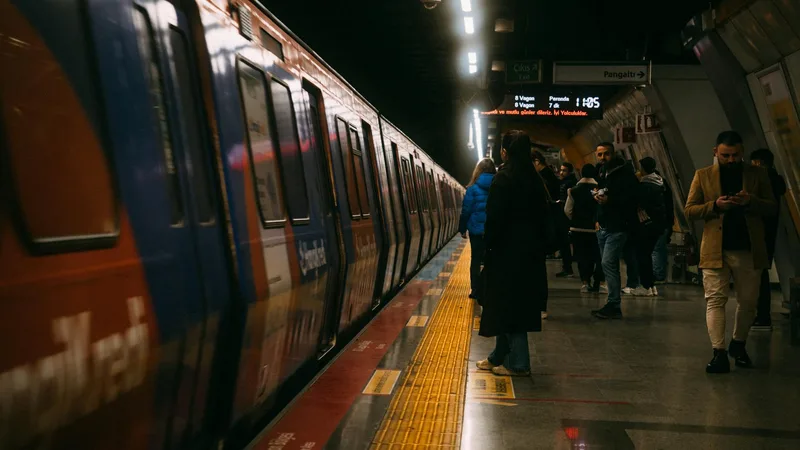
The Daily Mirror of Civic Commitment
A functioning public transit system demands trust in government. When buses arrive on time and trains are clean, citizens see proof that institutions can deliver. Conversely, chronic delays and underfunded services breed cynicism. In cities where transit feels neglected, residents internalize a message: officials don’t care. This daily ritual—whether endured or enjoyed—shapes perceptions of governance more subtly than any political speech.
Transit users are especially attuned to systemic failures. A late bus isn’t just an inconvenience; it’s a reminder that bureaucracy struggles with basic coordination. Yet in places where systems work, the effect is cumulative: trust builds, not from grand gestures, but from the quiet reliability of a society that honors its commitments. This dynamic makes transit a unique political test, one experienced by millions in the grind of their commutes.
Operational competence isn’t just about technical efficiency; it’s about institutional credibility. When agencies manage schedules, maintenance, and budgets effectively, they prove they can handle larger civic challenges. But when fare hikes are unjustified or routes disappear without explanation, the erosion of trust is immediate. Public transit becomes a stage for the government’s most important performance.
Equity in transit access further complicates the trust equation. In cities with robust, inclusive networks, marginalized groups feel seen and served. Conversely, systems designed for wealthier districts signal a government that prioritizes some citizens over others. The spatial distribution of transit isn’t just a policy choice—it’s a declaration of values, visible to everyone who uses it.
Crisis moments expose vulnerabilities most starkly. During pandemic lockdowns, for example, agencies that maintained essential services retained public confidence. Others, unable to adapt schedules or protect workers, saw trust collapse. These events force citizens to confront a simple truth: reliable public transit isn’t a given—it’s the product of consistent investment and competent leadership.
Operational Competence in Motion
Public transit’s success hinges on operational excellence. From tracking vehicle maintenance to managing real-time disruptions, agencies must prove they can manage complexity. When they do, it reassures citizens that other public systems—schools, healthcare, infrastructure—might also be in capable hands. This competence isn’t incidental; it’s a result of sustained political will and institutional capacity.
Yet competence alone isn’t enough. Systems that rely on outdated technology or ignore user feedback risk alienating riders. Modern transit demands agility—from mobile ticketing to real-time updates. Agencies that embrace innovation show a commitment to meeting citizens’ needs, while those that stagnate reveal a disconnect between leadership and the people they serve.
Funding is another litmus test. Chronic underinvestment creates a cycle of decline: broken elevators, unreliable Wi-Fi, and unsafe stations drive users away, further reducing revenue. Politicians who prioritize transit funding signal confidence in its societal value. Those who cut budgets during crises, meanwhile, broadcast a lack of faith in both the system and its riders.
Workforce treatment also reflects operational integrity. When agencies invest in training and fair wages, it fosters a culture of responsibility. Overworked, underpaid staff, however, lead to burnout and service degradation. Public transit workers are the human face of governance; their treatment reveals whether institutions respect the people who keep them running.
Finally, transparency is critical. Agencies that openly share data on performance, delays, and future plans build trust. Those that obscure problems or blame external factors erode confidence. In an era of political polarization, transit operations remain a rare space where tangible results—or failures—speak louder than rhetoric.
The real story is not the tool itself. It is the power arrangement the tool quietly makes normal.
Equity and Inclusion in the Urban Landscape
Transit systems either bridge divides or deepen them. When routes connect low-income neighborhoods to economic hubs, they expand opportunity. When they exclude certain areas, they enforce inequality. The spatial distribution of transit isn’t neutral—it’s a deliberate choice that shapes who thrives and who is left behind. Inequitable systems breed resentment, while inclusive ones foster solidarity.
Affordability is another key factor. Fare policies that disproportionately burden working-class riders—such as high fixed costs or limited payment flexibility—exclude those who need transit most. Agencies that offer discounted passes or income-based sliding scales demonstrate a commitment to accessibility. Conversely, those that prioritize revenue over ridership risk making their systems irrelevant to the very people who rely on them.
Universal design principles matter too. Accessible stations, low-floor buses, and real-time service alerts for disabled riders show a government that values all citizens. When these features are absent, it sends a clear message: some lives are considered more valuable than others. Inclusive transit isn’t a luxury—it’s a baseline requirement for a just society.
Community input can reshape transit priorities. Systems that prioritize resident feedback—especially from underserved areas—build trust through participation. Those that impose top-down changes without consultation risk being seen as out of touch. The process of planning itself becomes a reflection of democratic values.
The environmental impact of transit also shapes public perception. Systems that reduce traffic congestion and emissions are seen as forward-looking. Those that prioritize car-centric corridors over green alternatives reveal a shortsightedness that undermines broader climate goals. In an era of climate anxiety, transit choices signal whether leaders take the crisis seriously.
Ultimately, public transit’s equity record is a mirror for the broader society. Cities where transit is a right, not a privilege, see stronger civic bonds. Where it’s a commodity reserved for the privileged, those bonds fray. The fight for fair transit is a fight for a fairer world.
Crisis as a Civic Stress Test
Pandemics, climate disasters, and economic shocks expose the weaknesses—and strengths—of transit systems. During the 2020-2022 global health crisis, agencies that pivoted quickly to protect workers and adjust schedules retained public trust. Others, unable to adapt, faced mass disinvestment in both ridership and credibility. Crises force governments to confront their preparedness—or lack thereof.
Natural disasters offer a similar test. In cities with resilient transit infrastructure, communities recover faster. Agencies that pre-plan evacuation routes or secure emergency funding show foresight. Conversely, those that let systems crumble in the face of disasters reveal a fatalism about their own capabilities. These moments become defining narratives in public memory.
Financial crises also lay bare systemic fragility. When recessions hit, transit funding is often the first to be cut. Agencies that safeguard core services during downturns signal a commitment to the vulnerable. Those that abandon routes in poorer areas while preserving luxury lines for the wealthy make their priorities clear. Economic hardship is an acid test for civic solidarity.
Social unrest further stresses transit systems. Protests often disrupt transportation, but how agencies respond matters. Those that keep core routes open show solidarity with democratic processes. Those that shut down entirely or target protest zones reveal authoritarian instincts. These choices ripple through the public’s trust in governance.
Each crisis becomes a chapter in the larger story of civic competence. Transit agencies that emerge from challenges with their service intact—and sometimes improved—earn long-term credibility. Those that fail to adapt risk being replaced by private solutions, accelerating the erosion of public trust.
The post-crisis recovery phase is equally telling. Agencies that invest in rebuilding and expanding services after disasters demonstrate a growth mindset. Those that revert to pre-crisis neglect show a resignation to decline. The path forward hinges on whether leaders see transit as a lifeline or a liability.
The Quiet Revolution of Public Space
Transit hubs are the public squares of the modern city. They host chance encounters, foster community, and reflect the character of the people who use them. When these spaces are safe, clean, and welcoming, they reinforce a sense of shared ownership. When they’re littered, unsafe, or segregated, they become microcosms of societal dysfunction. The quality of these public spaces is a daily referendum on civic health.
Design plays a crucial role in shaping these experiences. Thoughtful layouts, ample seating, and artistic elements can transform a station into a place people want to be. Conversely, bleak, utilitarian environments convey a lack of investment in the public good. These design choices speak volumes about whether leaders see transit as a service or a social contract.
Technology further reshapes the transit experience. Real-time apps and digital kiosks can empower users, but only if they’re designed with accessibility in mind. Agencies that integrate technology equitably—ensuring it works for non-tech-savvy riders—show a commitment to inclusion. Those that ignore usability or favor tech-savvy elites risk deepening divides.
The cultural role of transit is often underestimated. Music, art, and public dialogue in stations and on vehicles can turn commutes into civic engagement. Agencies that embrace these creative possibilities signal a belief in public life as a shared asset. Those that tolerate vandalism or apathy reveal a loss of faith in collective purpose.
Ultimately, transit spaces are laboratories for democracy. When they work well, they model cooperation, diversity, and mutual respect. When they fail, they become arenas for frustration and division. The lessons learned on buses and trains shape how citizens view their role in shaping society. These quiet revolutions happen daily, invisible to those who don’t ride—but vital for those who do.