Streaming Ate the Water Cooler
The rise of streaming services has shattered the shared media calendar, replacing watercooler moments with fragmented consumption. What was gained—and what was lost—when media became on-demand?

The End of the Shared Schedule
For decades, television schedules dictated when a nation watched. Prime-time slots, cliffhangers, and time-zoned airings created a synchronized rhythm to cultural life. Streaming platforms, however, have erased these boundaries. Shows no longer have rigid release dates; instead, they exist in perpetual availability. This shift has granted viewers autonomy but also dismantled the collective anticipation that once bound us. The watercooler—a metaphor for shared cultural reference—has been replaced by individual timelines, where even family members might binge a series at different paces.
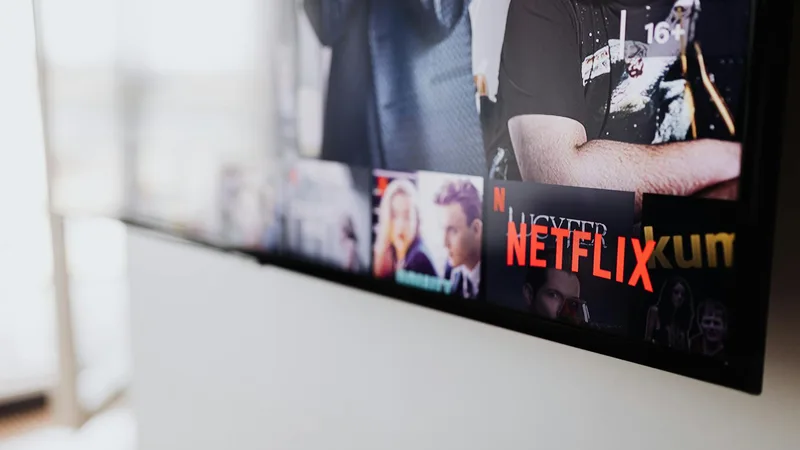
The convenience of on-demand streaming is undeniable, yet it comes at a cost. When everyone watches at their own speed, the urgency of communal discussion dissolves. A show’s cultural impact is no longer measured in real-time reactions but in delayed, fragmented engagement. Platforms like Netflix and Disney+ have prioritized flexibility, but in doing so, they’ve severed the social thread that once wove audiences together. The ritual of waiting for the next episode has been commodified into a feature of the service itself: binges, which now dominate viewing habits.
Watercooler Moments in the Streaming Age
The watercooler effect—where a single show becomes the subject of widespread conversation—has become increasingly rare. A decade ago, a series like *Friends* or *The Sopranos* could dominate office chatter for months. Now, with content splintered across platforms and release strategies, viewers are often on different episodes, seasons, or even shows. Netflix’s ‘binge model’ allowed entire seasons to drop at once, but this convenience diluted the social pressure to discuss a show before the next episode aired. The result is a culture of asynchronous consumption, where shared experiences are harder to coordinate.
Even when a show achieves mainstream success, the conversations are often delayed or niche. A hit like *Stranger Things* might spark viral moments, but these are fleeting and platform-specific. Meanwhile, niche content thrives in insular communities, creating echo chambers of fandom. The democratization of content has come at the expense of universal cultural touchstones. In the streaming era, the watercooler is a relic—a symbol of a bygone era when media was a shared language rather than a sprawling, personalized buffet.
The real story is not the tool itself. It is the power arrangement the tool quietly makes normal.
Cultural Touchstones Reimagined
Media used to act as a cultural anchor, providing common ground for public discourse. A presidential candidate could reference *Seinfeld* without explanation because it was a shared reference point. Today, that reference might only resonate with those who still stream reruns. The algorithmic curation of content—tailored to individual preferences—has replaced the randomness of traditional TV. While this personalization satisfies some viewers, it also insulates them from broader cultural conversations. The result is a splintered public sphere, where different groups engage with entirely different narratives.
This fragmentation isn’t just about taste; it’s about power. Platforms decide what content to promote, often amplifying what’s already popular among their algorithms. The absence of a shared media calendar means that cultural authority is decentralized. Virality replaces consensus, and what once united audiences now divides them. Even major events, like award shows or Emmys, struggle to generate the same cross-platform buzz they once did. The collapse of the shared calendar has made it harder to identify what ‘everyone’ is talking about—or if such a thing even exists anymore.
The Algorithm Paradox
Streaming services claim to offer freedom, but their algorithms often enforce isolation. Recommendation systems prioritize efficiency: if I watched *The Crown*, I might like *Bridgerton*. This logic creates a feedback loop where users are fed increasingly niche content, reinforcing their existing preferences. While this personalization is convenient, it undermines serendipity—the accidental discovery that once defined TV. We no longer stumble upon shows through time-based scheduling; instead, we’re curated into bubbles that match our tastes, limiting exposure to diverse perspectives.
The algorithm’s influence extends beyond individual choices. It shapes which shows get made and which fade into obscurity. Content that appeals to broad, undefined audiences is risky in a market driven by data. Streaming platforms now greenlight projects based on predictive analytics, favoring safe, incremental variations over bold experimentation. The result is a paradox: while streaming offers unprecedented variety, it also homogenizes consumption by steering users toward statistically ‘safe’ content. The algorithm’s promise of personalization often ends up narrowing the cultural experience further.
Rebuilding the Watercooler
If streaming has dismantled shared cultural reference points, it has also created new possibilities for connection. Platforms are experimenting with simulcasts—scheduled releases that mimic traditional TV—to recreate communal viewing. Social media, particularly live-tweeting and streaming, has become an ersatz watercooler, where fans discuss shows in real time. While these efforts replicate aspects of the past, they lack the organic, unscripted nature of pre-streaming conversations. The ritual of shared waiting has been replaced by curated immediacy, with less room for the organic debate and delayed reflection that once accompanied serialized storytelling.
The future of shared culture may lie in hybrid models that balance flexibility with synchronicity. Platforms could experiment with limited-time exclusives or thematic events that encourage collective engagement. But the core issue remains: streaming’s business model is built on fragmentation, not unity. Until incentives align between platforms and audiences, the watercooler will remain a nostalgic artifact. What we’ve lost is more than a habit—it’s a sense of shared humanity, where media served as a bridge rather than a barrier. The challenge now is reimagining how to build those bridges in a world of infinite options.